Why a Gin Bar Is a Smart Choice for Special Celebrations
Choosing the right venue shapes the entire mood of a celebration. People remember the room, the first drink, the way conversations flowed, and whether the setting felt considered or generic. That is why a Gin Bar can be such a smart choice for special occasions. It offers more personality than a standard private dining room, more sophistication than a loud cocktail club, and more flexibility than many people expect at first glance.
Over the years, I have seen hosts spend weeks obsessing over flowers, music, and invitations, only to book a venue that flattened the whole experience. The room was too bright, the drinks were forgettable, or the service lacked rhythm. A good celebration needs a setting that does some of the work for you. A well-run Gin Bar often does exactly that. It creates atmosphere from the moment guests walk in, and it gives the event a natural point of difference without feeling forced.
That matters whether the occasion is a milestone birthday, engagement party, anniversary dinner, retirement gathering, client event, or intimate wedding celebration. Gin has range. It can feel classic, playful, polished, and contemporary all at once. That range is one of the main reasons this kind of venue works so well for events that need to feel special rather than routine.
A setting with built-in character
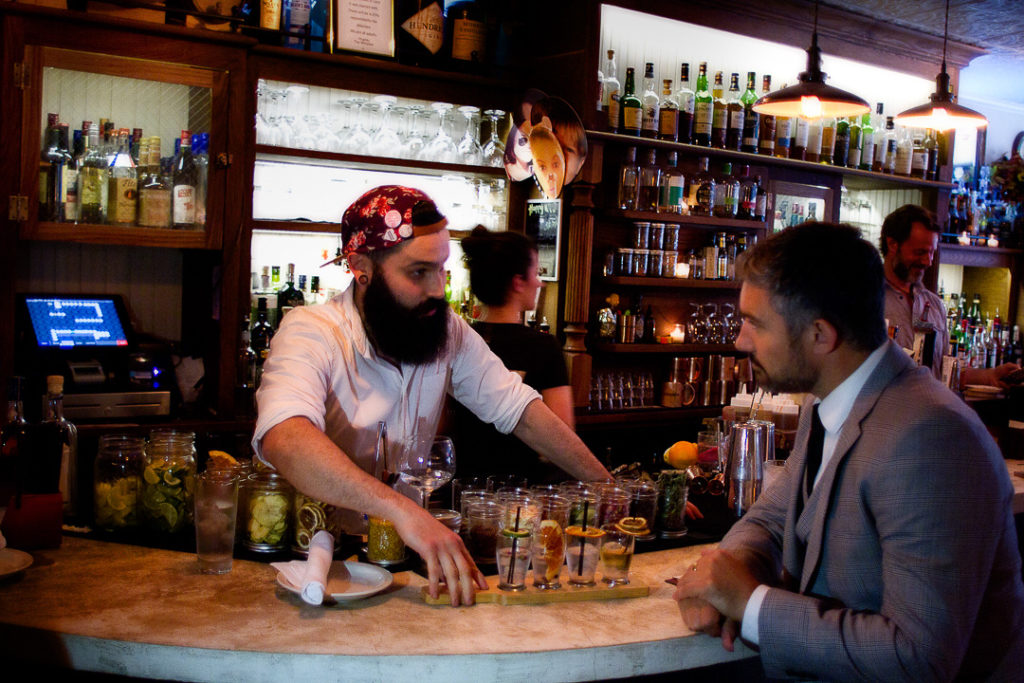
Many celebration venues ask the host to manufacture atmosphere from scratch. You rent the room, bring in décor, rethink the lighting, and hope the bar setup does not feel temporary. A strong Gin Bar already has identity. The back bar usually provides visual drama with its shelves of bottles, glassware, and garnishes. The lighting tends to be softer and more flattering than in larger hospitality spaces. Even the sound profile is often better balanced, lively enough to feel social, but not so aggressive that guests have to shout across the table.
That built-in character makes a practical difference. Hosts can spend less on transforming the space because the venue already offers texture and mood. This is especially useful for medium-sized gatherings, where people want the event to feel elevated but not overproduced. An overly formal ballroom can make a 40th birthday feel stiff. A plain restaurant can make an engagement toast feel oddly ordinary. A Gin Bar sits comfortably in the middle. It has enough style to make the event feel intentional, while still letting guests relax.
There is also something inherently celebratory about a room centered around craft, aroma, and detail. Good gin service is visual and sensory. Fresh herbs, citrus twists, quality tonic, polished stemware, and carefully selected ice all contribute to the experience. Guests notice these things, even if they cannot name them one by one. They simply register that the evening feels well put together.
Gin suits a wide range of guests better than people assume
Some hosts hesitate because they assume a Gin Bar is too niche. In practice, it is often more inclusive than a whiskey venue or a wine-led concept. Gin has extraordinary stylistic variety. A London dry gin speaks to classic tastes. Newer botanical gins can be floral, citrus-forward, herbaceous, or gently spiced. That gives bartenders room to match different palates without abandoning the venue’s identity.
Guests who think they do not like gin often only know one version of it, usually served badly years ago. At private events, I have watched skeptical attendees change their minds after a bartender recommends a softer gin with cucumber and elderflower, or a brighter serve with grapefruit and rosemary. That kind of conversion happens because gin is adaptable. It can be crisp and restrained for traditional drinkers, or expressive and modern for adventurous ones.
A thoughtful Gin Bar also usually handles non-gin drinkers well. The better venues understand that hospitality is about the group, not the concept. They may offer a concise wine list, a few classic cocktails, alcohol-free spritzes, and quality beer. For hosts, that means the theme remains coherent without becoming restrictive. You get the identity and flair of a specialist venue, but your guests are not trapped inside a one-note menu.
This balance matters at mixed-age events. A retirement party might include older relatives, work colleagues, and younger friends. An anniversary celebration can bring together grandparents, teenagers, and everyone in between. A good Gin Bar is often one of the few venue styles that can satisfy all of them without feeling bland.
The drinks can become part of the celebration itself
At the best events, the drinks are not just refreshments. They become part of the storytelling. That is another reason a Gin Bar works so well for special celebrations. Gin lends itself to personalization in a way that feels elegant rather than gimmicky.
For example, a couple hosting an engagement party might choose two signature gin serves, one bright and citrusy, the other floral and aromatic, each reflecting their taste. A birthday host could build a menu around a travel memory, perhaps Mediterranean botanicals inspired by a favorite holiday or a locally distilled gin tied to their hometown. A corporate host can use branded menus and a refined welcome cocktail without making the evening feel like a trade show.
These details give guests something to talk about. They create easy conversation among people who may not know one another well. One of the most useful functions of a great venue is that it reduces social friction. Guests need small points of entry. A menu of distinctive gin serves, a knowledgeable bartender, or a short tasting flight provides exactly that.
There is also a practical advantage. Signature drinks can speed service. If a host selects a focused menu ahead of time, the bar team can prepare more efficiently than if every guest orders from a long, open-ended cocktail list. At larger celebrations, that difference becomes significant. Ten seconds saved per drink may not sound like much, but across 80 or 100 guests, it can reduce visible queues and keep the evening moving.
Service tends to be more deliberate
A strong Gin Bar usually attracts staff who care about what they serve. That may sound like a small point, but it changes the texture of an event. When bartenders know the products, understand flavor pairings, and can guide guests with confidence, the bar becomes a source of hospitality rather than a production line.
This is particularly important at celebrations where the guest list includes people with different levels of familiarity. Some guests enjoy talking botanicals and distillation. Others simply want a drink that tastes fresh and balanced. Skilled staff can handle both without making either person feel out of place. That kind of social intelligence is invaluable. It is one reason specialist venues often outperform more generic event spaces.
Service standards also tend to be steadier in bars built around premium drinks. Attention to glassware, garnish quality, dilution, and pacing usually carries over into the broader event. If a venue sweats the details behind the bar, it often pays attention elsewhere too, from coat handling to table setup to the timing of food. Not every Gin Bar will meet that standard, of course, but the good ones often have a stronger culture of precision than large, volume-driven venues.
I have seen this difference most clearly at celebrations with short formal moments, such as speeches, cake cutting, or an awards toast. In a venue that understands flow, staff naturally hold service at the right time, reset quickly, and re-engage without making the transition awkward. That is hard to quantify on a venue checklist, but guests feel it immediately.
It works for both intimate and moderately large gatherings
Some venues only shine at one scale. A grand hotel room can impress at 150 guests and feel hollow at 35. A tiny neighborhood spot may charm a dozen friends and struggle with a party of 50. A Gin Bar often performs well in the middle range, which is where many special celebrations actually sit.
For smaller groups, the setting feels intimate without becoming private-dining formal. Guests can mingle, sit, move, and regroup naturally. For medium-sized events, the bar itself becomes an anchor point that helps distribute people through the room. That creates useful movement. People circulate more easily when there is an obvious place to gather, order, and chat.
Space planning matters here. A well-designed Gin Bar will have a mix of standing room, bar seating, and softer corners for conversation. That flexibility suits the way real celebrations unfold. Not everyone wants to stay planted at a table all night. Some guests arrive eager to talk, others prefer to observe before joining in. The venue should accommodate both personalities.
That said, there is a sensible upper limit. If your celebration requires a dance floor for 200, a full stage setup, or extensive AV production, a Gin Bar may not be the best fit unless it has a dedicated event space. This is where judgment matters. The venue is a smart choice when the event is centered on conversation, quality drinks, atmosphere, and sociability. If the evening depends on theatrical scale, another format may suit better.
Food pairing is often stronger than expected
People sometimes focus so much on the drinks that they overlook the food potential. In reality, a Gin Bar can be excellent for event catering because gin pairs well with a wide range of flavors. Citrus, herbs, seafood, cured meats, pickled elements, cheeses, and light canapés all sit comfortably alongside gin-based drinks. Even richer dishes can work when matched with more structured serves.
This makes menu design easier. Rather than fighting the venue concept, the food can reinforce it. A spring celebration might lean into fresh herbs, smoked salmon blinis, goat cheese tartlets, or grilled prawns with lemon. An autumn event could move toward rosemary lamb skewers, mushroom crostini, or root vegetable bites alongside more spiced gin serves. The result feels cohesive rather than arbitrary.
There is also a pacing advantage. Gin-based events often lend themselves well to canapé receptions and flexible food service. That format encourages mingling and suits milestone celebrations where guests want to socialize rather than commit to a long seated dinner. The Winslow Gin Bar If you do want a more structured meal, many Gin Bar venues can coordinate with kitchens or external caterers to create a menu that still feels aligned with the setting.
Hosts should ask direct questions about food logistics, because this is one area where not all venues are equal. Some bars have excellent beverage programs but limited kitchen capacity. Others are fully set up for events with substantial catering. The key is not to assume. A beautiful bar does not guarantee smooth service for hot food, dietary needs, or later-evening snacks.
It offers strong value without looking budget-conscious
Celebration budgets vary wildly, but almost every host wants the same thing: visible value. They want the evening to feel generous and polished without obvious overspending. A Gin Bar can deliver that balance surprisingly well.
Part of the value comes from the venue’s existing design. Because the room already has identity, hosts can often spend less on florals, rentals, and decorative extras. Part comes from drinks strategy. Rather than offering a fully open premium bar across every category, a host can focus on a curated gin selection, a few house cocktails, and one or two non-gin alternatives. Guests still feel well looked after, but the spend is more controlled.
Another part is experiential value. People tend to remember quality over quantity. They may not recall whether there were 14 bottles of wine on the table, but they will remember a perfectly served welcome cocktail and a venue that felt distinct. The same budget that disappears inside a generic package can feel much more substantial in a specialist setting.
Of course, there are trade-offs. Premium tonic, fresh garnishes, and skilled bartending are not cheap, nor should they be. If a venue prices itself at the high end, hosts need to check what is genuinely included. Is there an event minimum spend? A room hire fee? Additional staff costs? Glassware charges? Setup time? The point is not that a Gin Bar is always cheaper. It is that it often spends better, with more of the budget visible to guests.
The theme can be elegant without becoming theatrical
One of the more common mistakes in celebration planning is overcommitting to a concept. Themes can quickly slide into costume, novelty, or visual clutter. A Gin Bar avoids that problem because the concept is already refined. It gives the event personality, but leaves room for restraint.
That is useful for hosts who want something memorable yet grown-up. A silver anniversary, for instance, may call for subtle polish rather than spectacle. A professional milestone event needs enough style to feel festive, but not so much that it undermines the occasion. Even a birthday celebration can benefit from this balance. People often want energy without chaos, and character without cheesiness.
With a Gin Bar, the venue itself does most of the thematic work. The host can then add light touches, menus, a welcome sign, tailored cocktails, carefully chosen music, and perhaps a floral palette that complements the bar’s design. The result feels coherent rather than overdesigned.
It encourages conversation, which is often the real point
Many special celebrations are less about formal programming and more about bringing people together who do not often share a room. That sounds obvious, but it is easy to lose sight of. The venue should make connection easier, not harder.
A good Gin Bar supports conversation better than many alternatives. The physical scale is often manageable. The lighting flatters rather than interrogates. The drinks culture invites interaction. People ask each other what they are having, compare garnishes, recommend serves, and drift from one group to another. These small social mechanics matter. They can determine whether the evening feels warm and fluid or fragmented and awkward.
I have seen this most clearly at mixed social events, particularly engagements and milestone birthdays where family, old friends, and newer circles meet for the first time. In a neutral room, people often stay in their own camps. In a more animated bar environment, they blend more easily because the room gives them reasons to move and speak.
That said, acoustics remain crucial. Some bars are atmospheric but too loud for a celebration where speeches, older guests, or meaningful conversation matter. A host should visit during a comparable service period if possible. What feels inviting at 5:30 can become deafening by 8:30. The smartest venue choice is not just about style, but about whether people can actually enjoy one another.
When a Gin Bar may not be the right fit
A professional view of event planning should always include limits. A Gin Bar is a strong choice for many celebrations, but not for all of them.
If a large share of the guest list strongly prefers beer, whiskey, or full-scale wine service, the venue needs to prove it can accommodate those preferences well. If the event is highly formal, with multiple courses, extensive speeches, and assigned seating for a long evening, a classic private dining room may fit more naturally. If children are central to the celebration, the bar-led environment may feel less practical depending on licensing rules, timing, and layout.
There is also a temperament question. Some hosts want a quiet, deeply private atmosphere with little public energy around them. Others love the lively hum that a bar brings. Neither preference is right or wrong, but it should guide the decision. The smartest venue is the one that supports the emotional tone you want.
Before booking, it helps to clarify a few essentials:
- the likely guest count and age mix
- whether the event is more about mingling or seated dining
- how much customization matters
- the realistic drinks budget per head
- whether noise, privacy, or accessibility are non-negotiable
These are not glamorous questions, but they save hosts from expensive mismatches.
How to choose the right one
Not every Gin Bar is event-ready. Some are excellent for date nights and weak for groups. Others have wonderful branding but inconsistent service under pressure. The difference usually reveals itself in the details.
Start by looking beyond the drinks list. Ask how the venue handles private or semi-private bookings, what staffing levels they provide, whether they can create a focused event menu, and how flexible they are with dietary requirements. If speeches matter, ask where people will stand and whether the room carries sound well. If older guests are attending, check seating, access, and restroom layout. If photographs matter, pay attention to lighting after dark, not just daytime promotional images.
A site visit tells you more than a brochure ever will. Watch how the staff greet walk-in guests. Look at glassware cleanliness. Notice whether the room feels composed or cluttered. Ask for examples of past celebrations. Experienced venues can usually explain what has worked, what has not, and how they adapt for different groups. That honesty is often a good sign.
A concise set of questions can reveal a lot very quickly:
- Can the venue comfortably handle your group size without crowding the bar?
- Is there a clear event package, or are charges added piecemeal?
- Can they offer excellent non-alcoholic options, not just token soft drinks?
- Will music levels remain suitable for conversation and toasts?
- Who will manage the event on the night?
The answers often tell you as much about professionalism as the room itself.
Why the choice feels memorable long after the night ends
People rarely talk for months about the chair covers, but they do talk about places that had atmosphere. They remember where they had a remarkable drink, where they met someone new over the bar, where the celebration felt relaxed and beautifully judged. A Gin Bar has a way of leaving that kind of impression because it combines sensory detail, social ease, and visual identity in one venue type.
That combination is hard to replicate. It is why so many celebrations held in bars with genuine point of view feel more alive than those staged in conventional function rooms. The best ones give guests a shared experience rather than just a schedule. They create an evening with texture, rhythm, and a little charm.
For hosts, that is the real value. A smart venue choice reduces stress, supports the flow of the event, and quietly elevates everything around it. When the bar, service, atmosphere, and format all work together, the celebration does not need much extra to feel special. That is exactly where a Gin Bar earns its place, not as a trend-driven backdrop, but as a practical, stylish, and genuinely effective setting for occasions that deserve to stand out.
The Winslow
243 E 14th St
New York, NY 10003, United States
Phone: +1 212-777-7717
FAQ About Gin Bar
How to do a gin tasting?
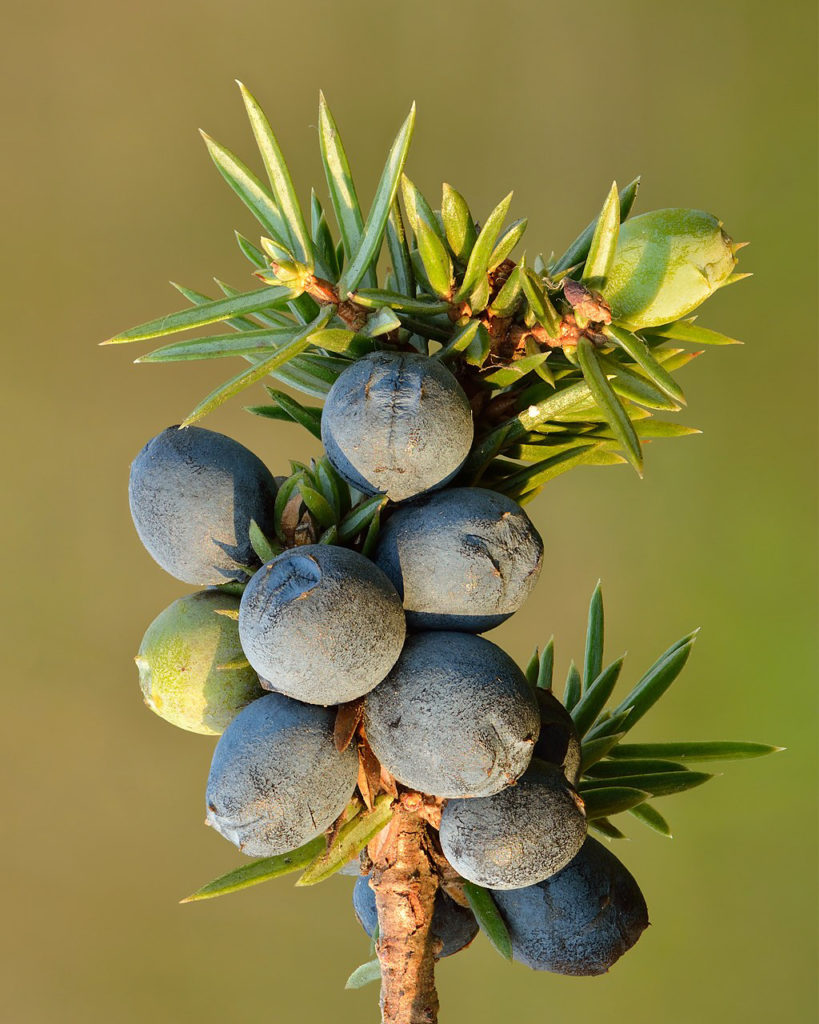
Start with a small pour and gently smell the gin before taking a small sip. Notice its juniper, citrus, floral or spice notes, then compare how the flavor changes with a little water or tonic. At a gin bar, ask the bartender to explain the selection and botanical pairings.
How to make the best tasting gin and tonic?
Use chilled gin, fresh tonic and plenty of ice. A common starting ratio is one part gin to two parts tonic, adjusted to taste. Choose a garnish that complements the gin's botanicals and stir gently to preserve the bubbles.
What is the smoothest tasting gin?
There is no single smoothest gin for everyone. Perceived smoothness depends on the botanical recipe, alcohol strength, serving temperature and mixer. Describe whether you prefer citrus, floral, herbal or juniper-forward flavors so a bartender can suggest a suitable style.